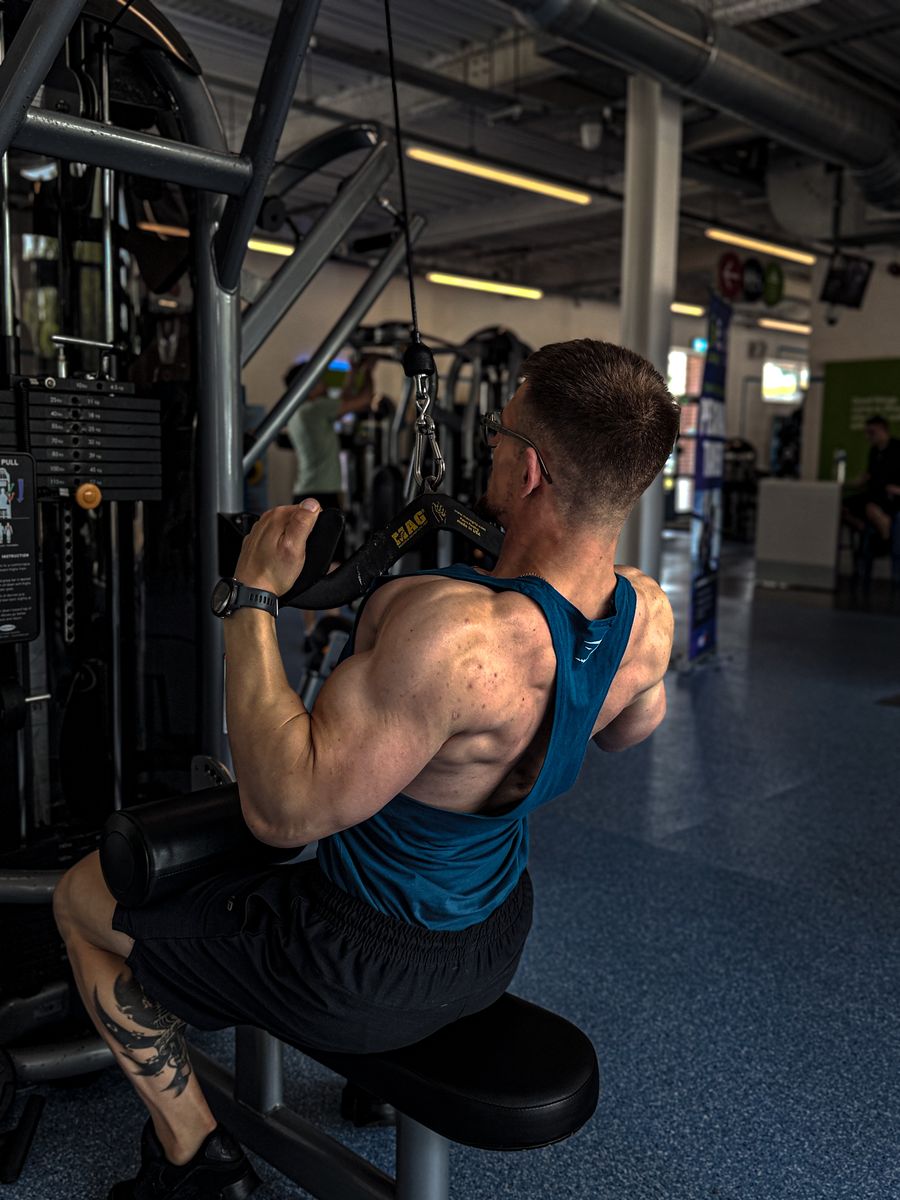
Weights. If you can only do one, it's weights, and it isn't close. That's the answer for fat loss, for looking 'toned', for health past forty and for keeping the weight off once it's gone. Cardio has a place — walking especially — but as the foundation of a programme it's the wrong tool.
Below is why, in enough detail to argue with someone about it, and the split we use at Atypical for each goal.
For muscle building: Weights, with minimal cardio. The energy and recovery demands of excessive cardio can interfere with muscle growth. Keep cardio to 2–3 light sessions per week (walking, easy cycling) for heart health.
For general health: Both. The current NHS guidelines recommend 150 minutes of moderate activity or 75 minutes of vigorous activity per week, plus strength training twice a week. That's the health sweet spot.
For mental health: Whatever you enjoy and will do consistently. Both cardio and weights have proven antidepressant and anti-anxiety effects. The best exercise for mental health is the one you actually do.
WHERE THE CARDIO MYTH CAME FROM
The fitness industry has spent decades telling people — especially women — that cardio is the path to weight loss and weights will make you "bulky." Both claims are wrong.
Cardio burns calories during the session but has minimal afterburn effect and does nothing to change your body composition. You become a smaller version of your current shape. If you stop doing cardio, the calorie deficit disappears and the weight returns.
Weights build muscle, which raises your resting metabolic rate permanently. You burn more calories 24/7, not just during the workout. The "toned" look that most people want is literally the result of having muscle with less fat covering it — and you build that muscle through resistance training, not cardio.
As for "bulky" — building significant muscle mass requires years of dedicated training, a calorie surplus, and often genetic advantages. Nobody accidentally gets bulky. If anything, most people struggle to build as much muscle as they want, even when actively trying.
WHAT THE STUDIES SAY
Multiple meta-analyses comparing resistance training, cardio, and combined approaches for fat loss show consistent findings: resistance training preserves more muscle during a calorie deficit, combined resistance + cardio produces the best body composition changes, and cardio alone produces the most weight loss on the scale but the worst body composition changes (because you lose muscle alongside fat).
The scale number is misleading. Two people can weigh the same but look completely different depending on their muscle-to-fat ratio. That's why we use body composition tracking rather than just weighing clients — circumference measurements, photos, and how clothes fit tell a much more accurate story than the number on the scale.
THE SPLIT WE ACTUALLY USE
Weight loss: 3× resistance training, 3-5× walking (30 min), 0-2× HIIT. Diet creates the deficit; training shapes the result.
Muscle building: 4× resistance training, 2× light cardio (walking/cycling), focus on calorie surplus and high protein intake.
General fitness: 2-3× resistance training, 2-3× cardio (mix of steady-state and intervals), rest as needed.
Beginners: 3× full-body resistance training, daily walking. Don't overcomplicate it. Get strong, eat well, walk a lot. Read our beginner's guide to building muscle.
IN ONE LINE
If you only have time for one type of training, choose weights. You'll build muscle, burn calories, improve bone density, boost your metabolism, and change your body shape. Add walking for extra calorie burn and cardiovascular health. Add HIIT or traditional cardio as a supplement when time and energy allow.
Every programme at the studio is built on this: lift first, walk daily, add conditioning when there's room. If you want that structured for you, book a free session and we'll map it out.